In October, Boston’s Licensing Board approved the transfer of the liquor license at 9 Park Street to Fumo, a New York group known for wood-fired pizza and pasta. It will follow No. 9 Park and Nine in the house across from the State House.
The house has seen bigger changes. It was built for one family in 1804, and within two years it was being sold in parts.
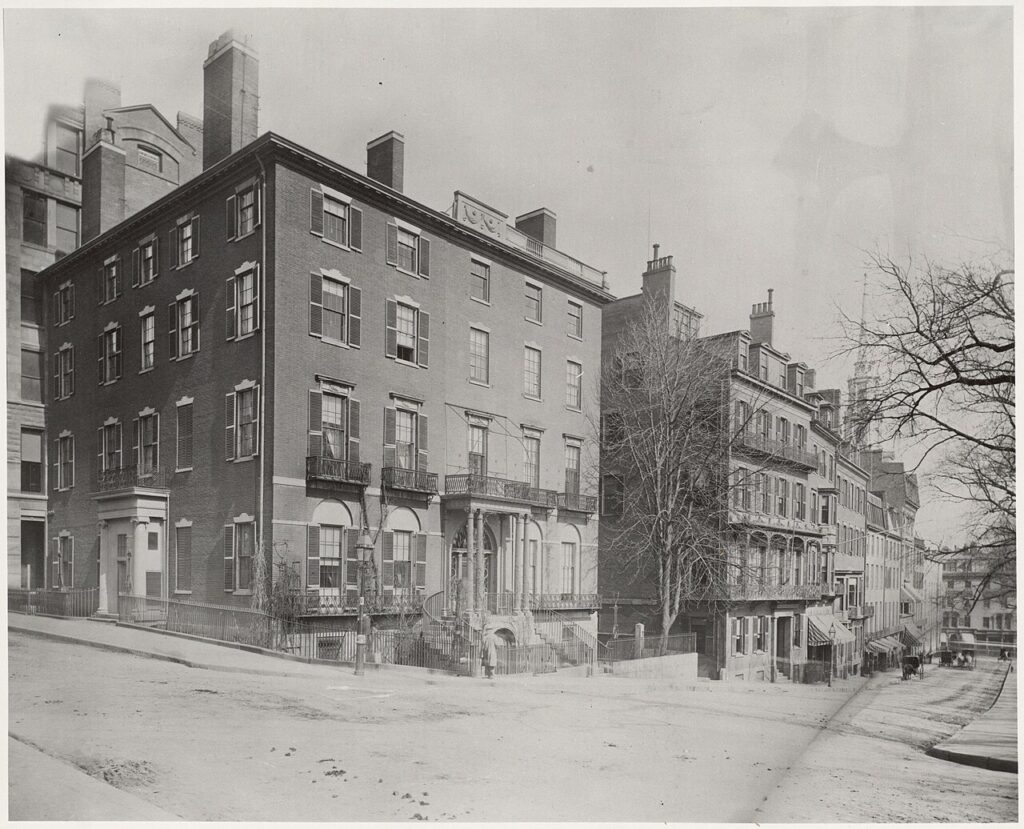
Thomas Amory, a Boston merchant, bought the corner of Park and Beacon at a town auction in 1801. The town sold the Park Street lots with conditions attached: brick or stone walls, slate or tile roofs, and one style along the whole street. Amory built a four-story brick mansion facing the Common, and in 1804 he was the only resident on the street. People called it Amory’s Folly, for its size.
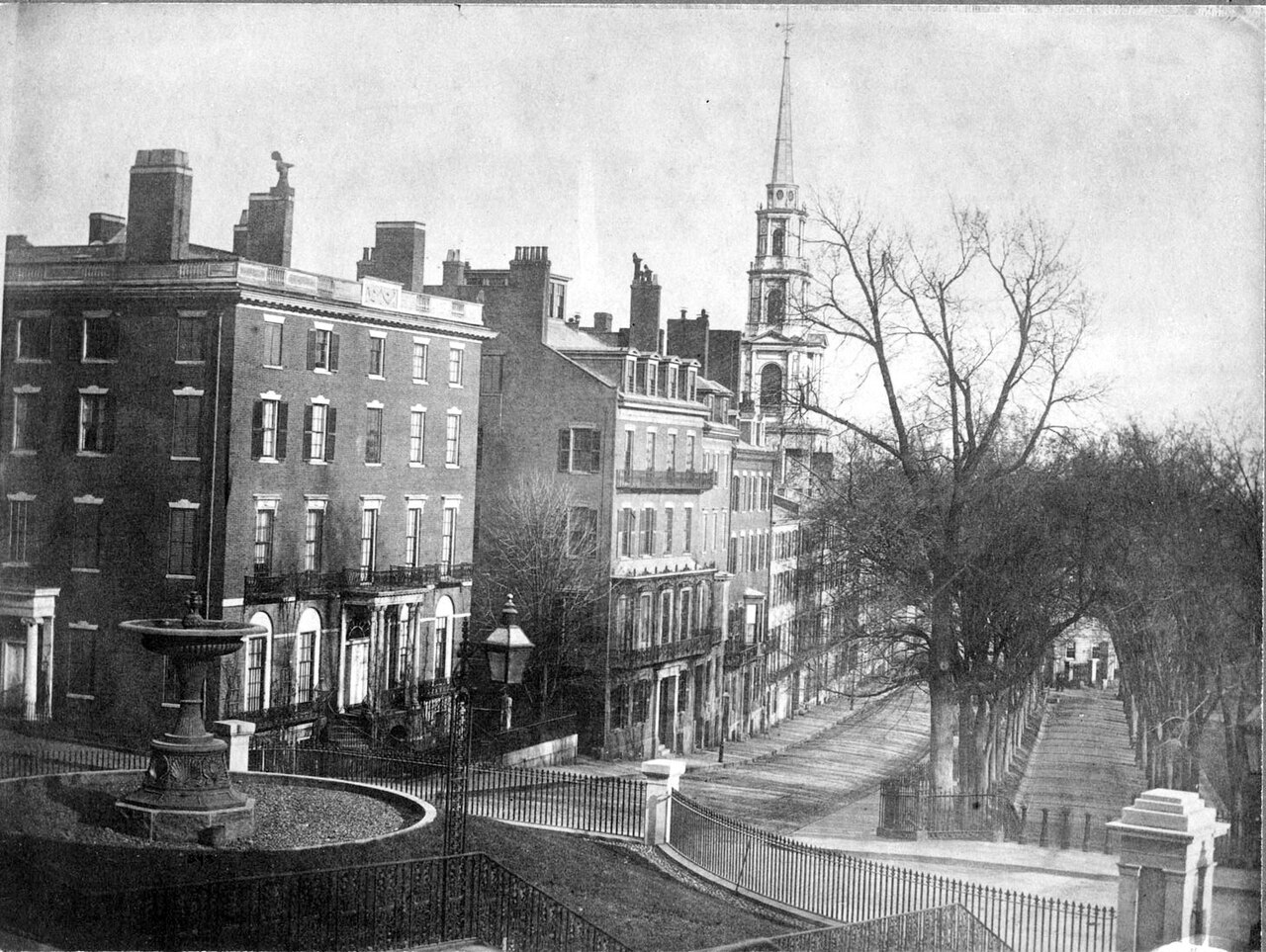
The design is usually credited to Charles Bulfinch, who laid out Park Street. The Amory family’s own records name a housewright, Richard Hills, as its architect.
Amory’s business suffered heavy losses as the house neared completion, and in 1806 and 1807 he sold it in parts. By 1806 the corner portion was already a boarding house, run by Catherine Carter and popular with visitors from abroad. The house was later enlarged and divided into four homes, two entered from Beacon Street and two from Park Street.
In August 1824, Lafayette returned to Boston, and the Amory house was his home for the visit. To receive the crowds, an iron door in the wall between two of the homes was opened, and for his stay their drawing rooms became one. On September 2, the City Council gave a banquet for him there.
In 1830, George Ticknor bought the eastern part of the house. He was a scholar of Spanish literature and one of the founders of the Boston Public Library, and he kept his books in a second-floor room with three balconied windows. He lived there until his death in 1871, and his widow stayed until 1884.
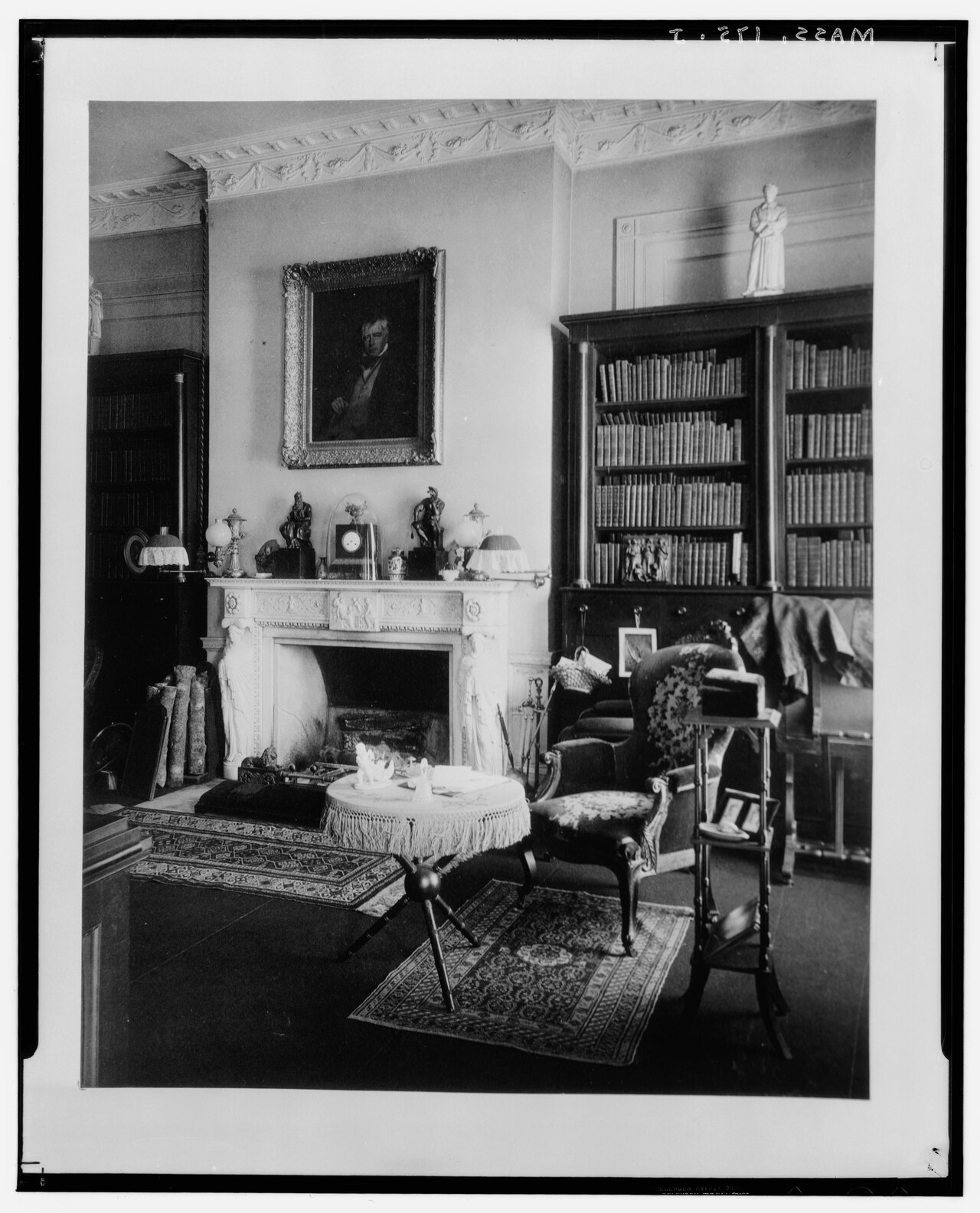
Around the same time, another of the homes was leased out, and soon the whole building was given over to business. After 1885 it gained oriel windows, ornamented gables, and shop fronts at street level. Architects and design firms moved in, and in 1904 the Society of Arts and Crafts opened its saleroom there.
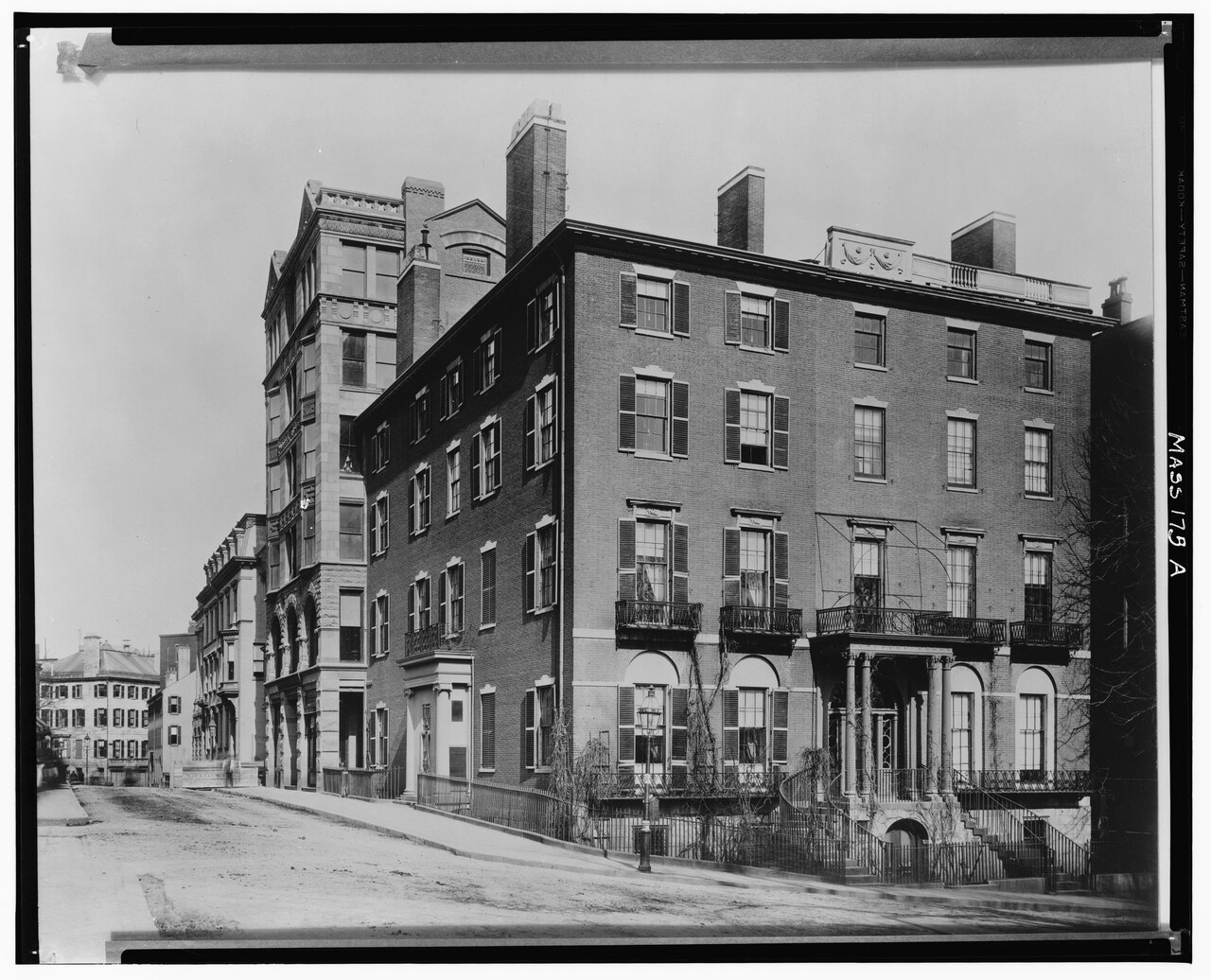
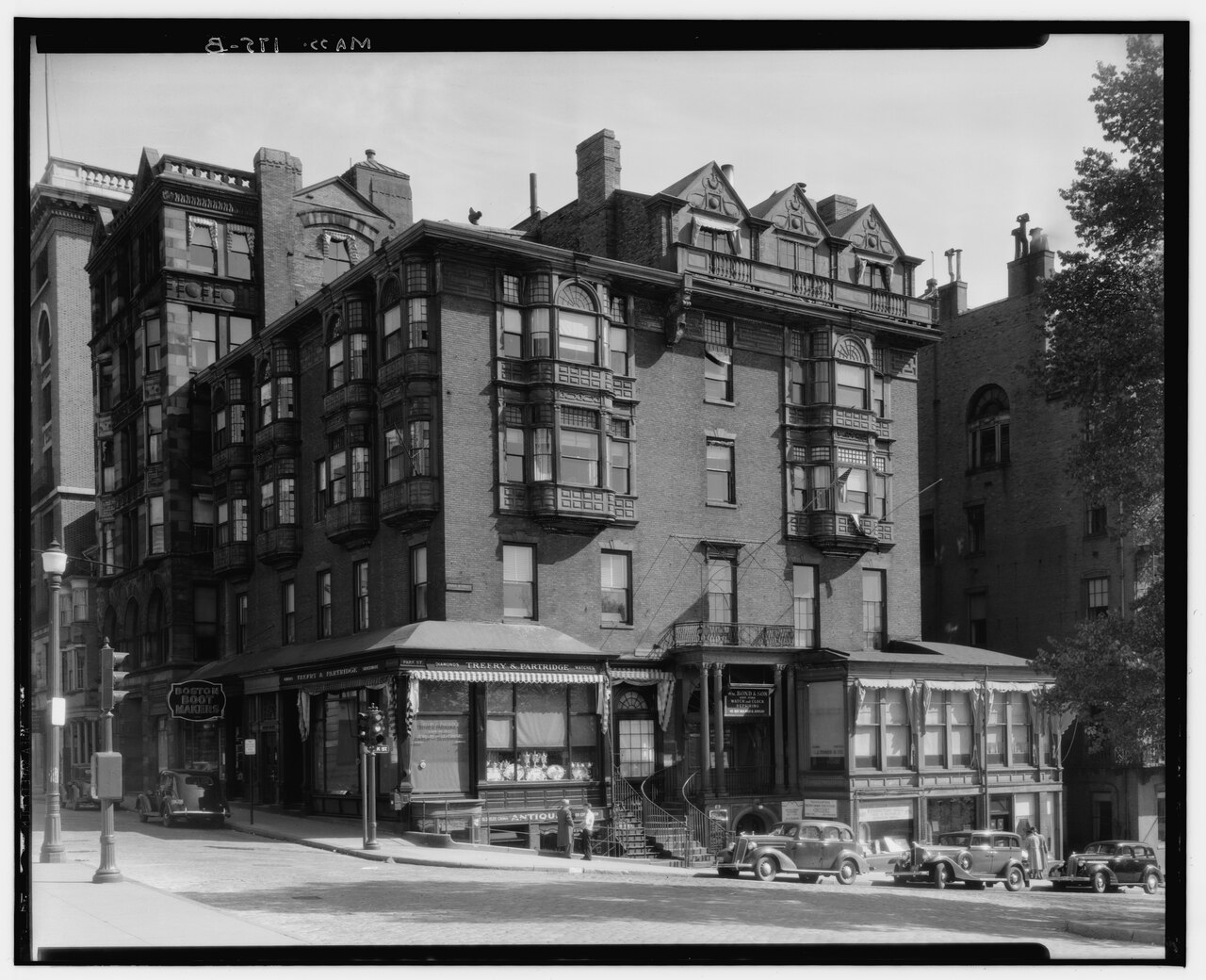
In 1998, Barbara Lynch opened No. 9 Park in the building. It closed at the end of 2024, after twenty-six years. Nine opened in August 2025 and closed this June. Fumo began in Manhattan in 2016, and Beacon Hill will be its first location outside New York.
In more than twenty years of selling on Beacon Hill, I have shown many residences that began as part of a single-family house. Some are a parlor floor, some a top-floor duplex, some a garden level with its own door. Someone drew the line between one home and the next, usually long before the current owner arrived. That line still decides where the stair runs and which rooms face the street.
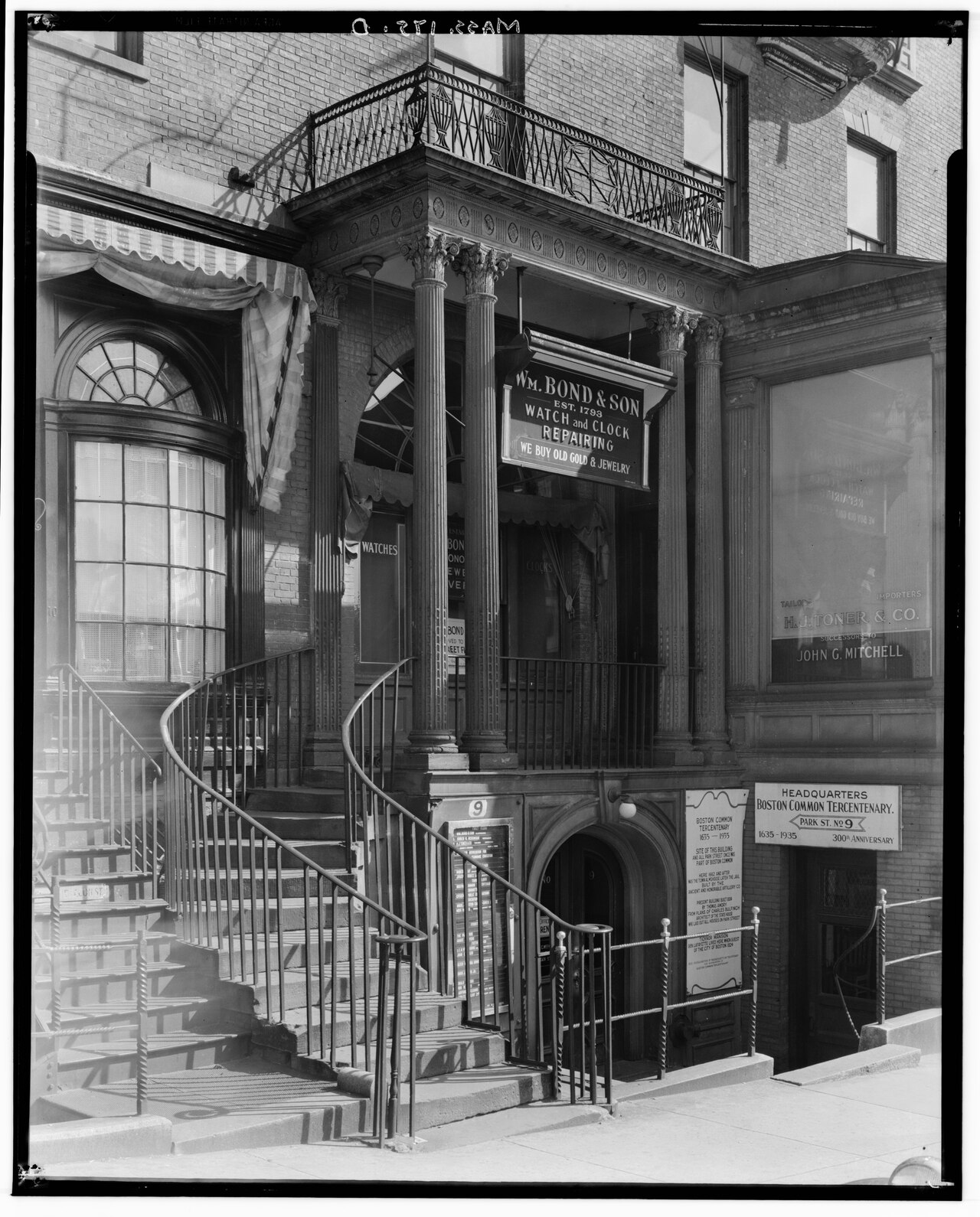
From the Common, the corner of Park and Beacon still reads as one house. Behind its facade it has been four homes, a boarding house, a scholar’s library, shops, design offices, and restaurants. Fumo’s wood-fired oven will be the newest thing in it.