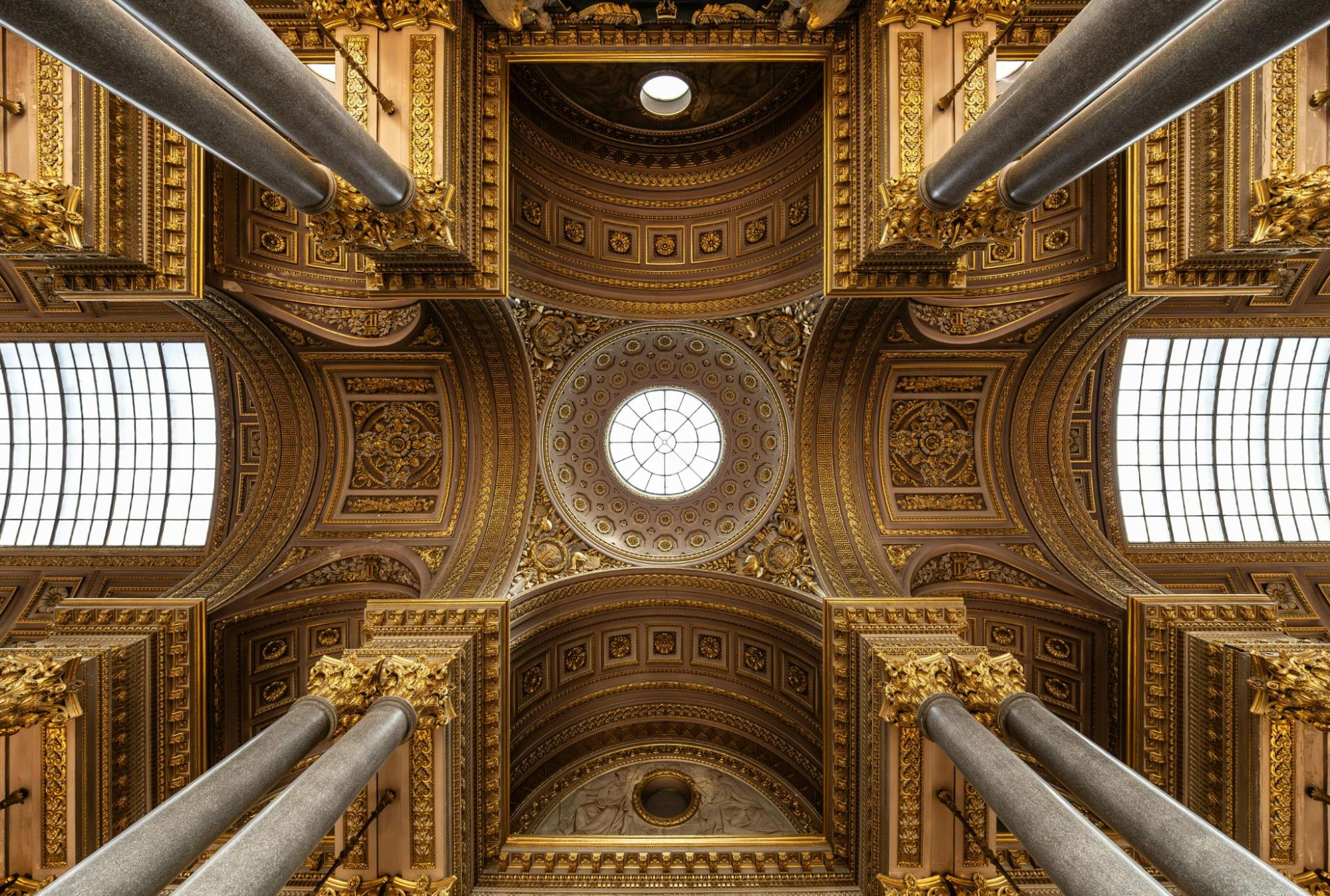
The Palace of Versailles stands as an enduring symbol of grandeur, a masterpiece where power, artistry, and opulence converge in perfect harmony. For centuries, its gilded halls, manicured gardens, and exquisite craftsmanship have inspired architects and designers seeking to capture the essence of French classical elegance. Yet, in the modern age, few homeowners wish to recreate Versailles in its entirety. Instead, the discerning aesthete looks to reinterpret its timeless principles—symmetry, luminosity, and regal refinement—into spaces that exude sophistication without surrendering to excess.
The true art lies in the subtle infusion of Versailles’ grandeur into contemporary residences, where restraint and intentionality elevate design rather than overwhelm it. Imagine a Beacon Hill brownstone where a coffered ceiling, painted in soft ivory rather than gold leaf, evokes the grandeur of the Hall of Mirrors without its Baroque weight. Or a Seaport penthouse where the strict geometry of André Le Nôtre’s gardens is echoed in the precise lines of an outdoor terrace. Versailles was, above all, a study in balance, and today’s most elegant homes achieve a similar harmony by weaving historical inspiration into modern contexts.
The Majesty of Symmetry
At the heart of Versailles’ design philosophy lies an unwavering commitment to symmetry, an architectural principle that conveys order and authority. The palace’s façade, with its perfectly aligned windows and stately colonnades, commands reverence through its measured proportions. Modern interpretations need not replicate such exactitude, but the strategic use of symmetry can instill a space with quiet power.
In a grand foyer, twin consoles flanking an antique mirror create an immediate sense of ceremony. A dining room anchored by matching Louis XVI armchairs at either end of a monolithic table channels aristocratic tradition while maintaining contemporary clarity. Even in more relaxed settings, such as a library or salon, balanced arrangements—whether in art placement, lighting, or furniture grouping—lend an air of deliberation, transforming rooms into compositions rather than mere assemblages.
The Alchemy of Light and Reflection
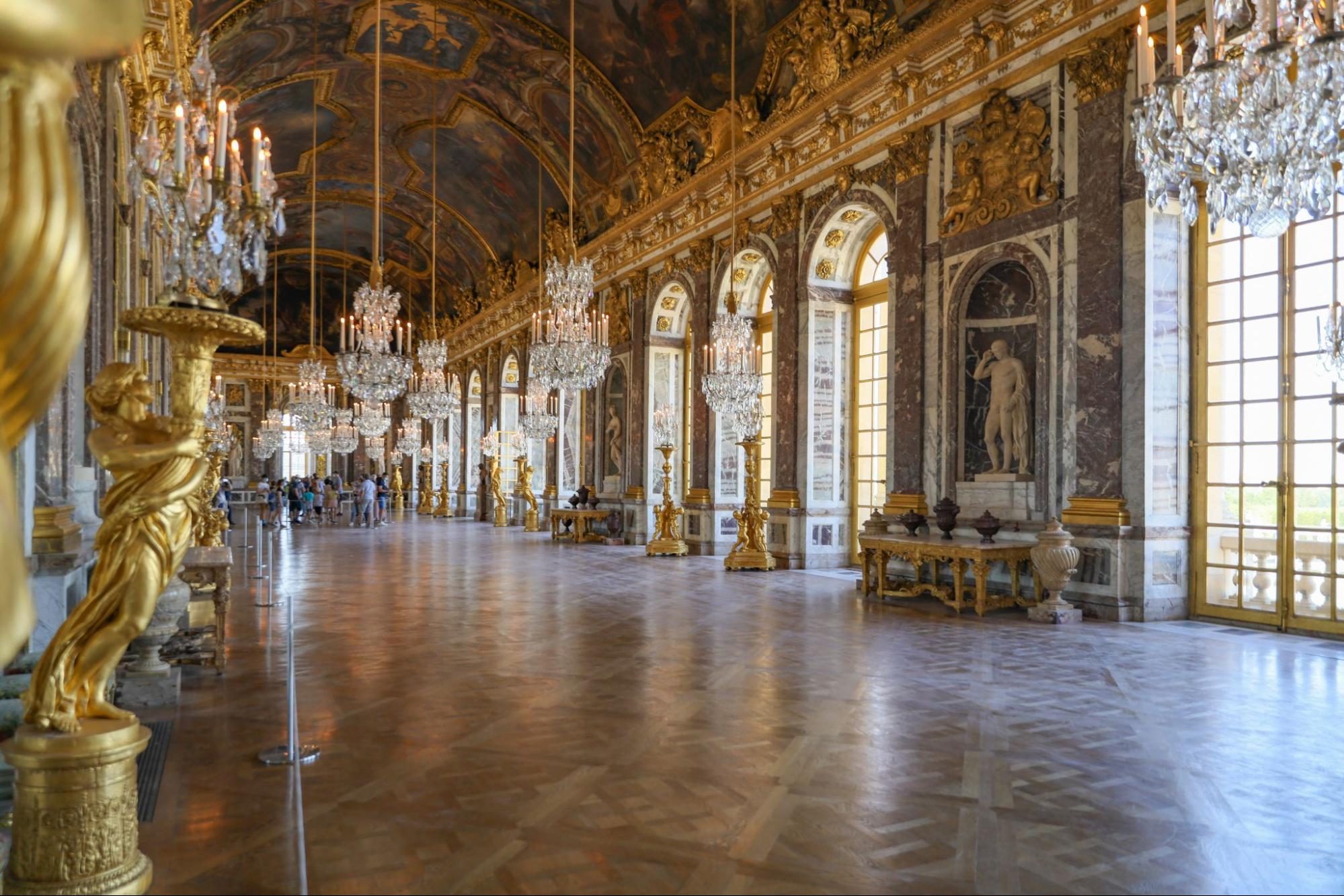
Versailles was designed to manipulate light as a medium of splendor. The Hall of Mirrors, with its seventeen arched windows opposing an equal number of mirrored panels, was not merely decorative but a calculated play on perception, amplifying natural light to dazzling effect. Modern interiors can harness this principle with equal ingenuity, though perhaps with a lighter touch.
Floor-to-ceiling mirrors in a dimly lit gallery hallway can double the perceived space while bathing the area in a soft, diffused glow. A contemporary chandelier, crafted in crystal or handblown glass, becomes a kinetic sculpture when suspended above a polished marble floor, casting prismatic reflections that dance with the sun’s movement. Even in subdued settings, the strategic placement of mirrored or lacquered surfaces—whether in a powder room’s vanity or a living room’s accent tables—can elevate a space from merely elegant to transcendent.
The Poetry of Materials
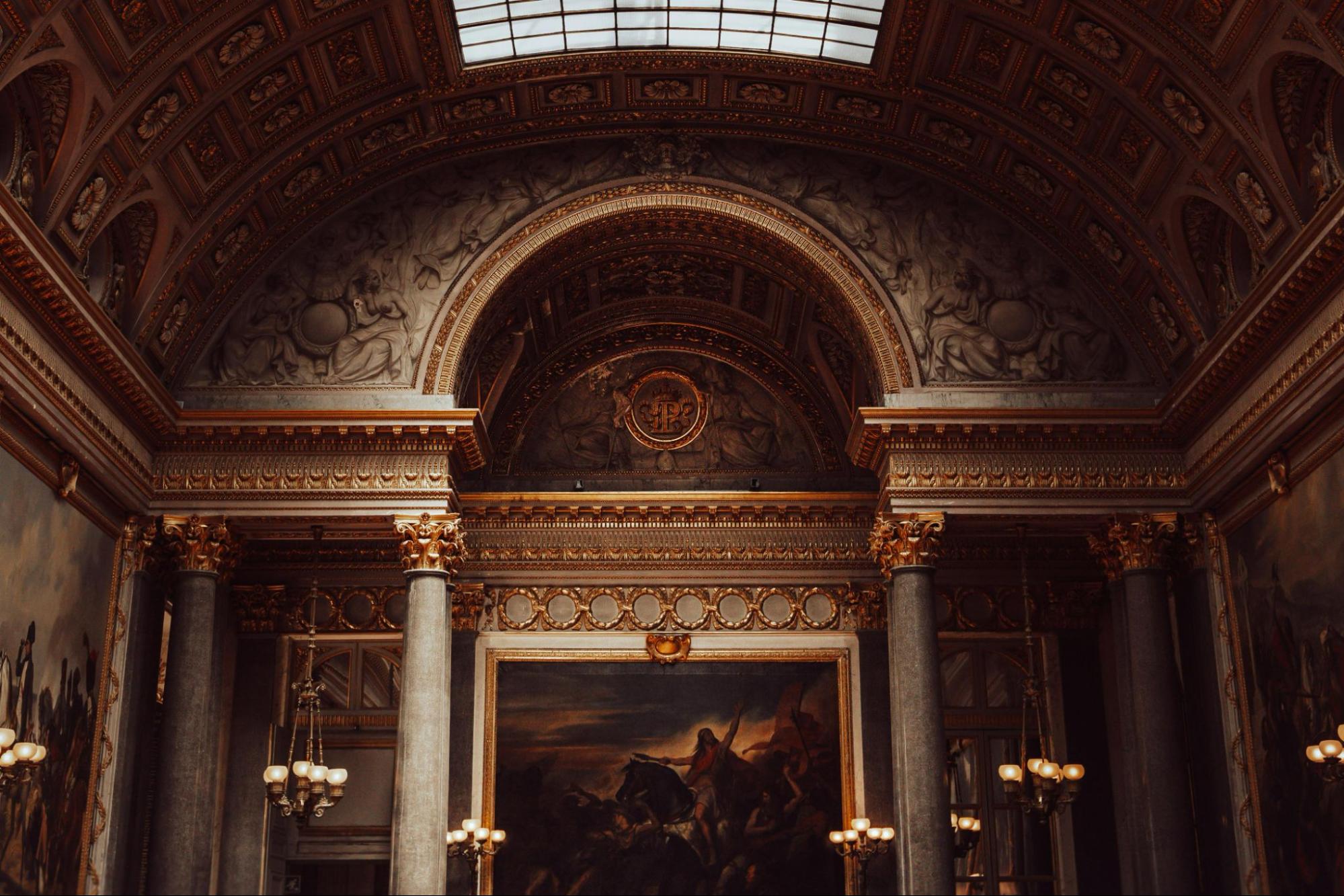
Versailles’ artisans understood that luxury resided not just in form but in the tactile and visual richness of materials. Gilded bronze, Carrara marble, hand-carved boiserie, and sumptuous silks were not embellishments but essential elements of the palace’s narrative. Today’s luxury homes can honor this tradition by selecting materials that speak to heritage while aligning with modern sensibilities.
A kitchen clad in honed limestone, its veining echoing the natural variations of Versailles’ floors, grounds the space in timelessness. A primary suite’s walls, upholstered in a textured silk-linen blend, whisper of the palace’s lavish textiles while maintaining a serene, uncluttered aesthetic. Even metal finishes, when chosen with intention—a matte bronze faucet, a brushed nickel sconce—can nod to Versailles’ metallurgical artistry without verging into ostentation.
The Legacy of Craftsmanship
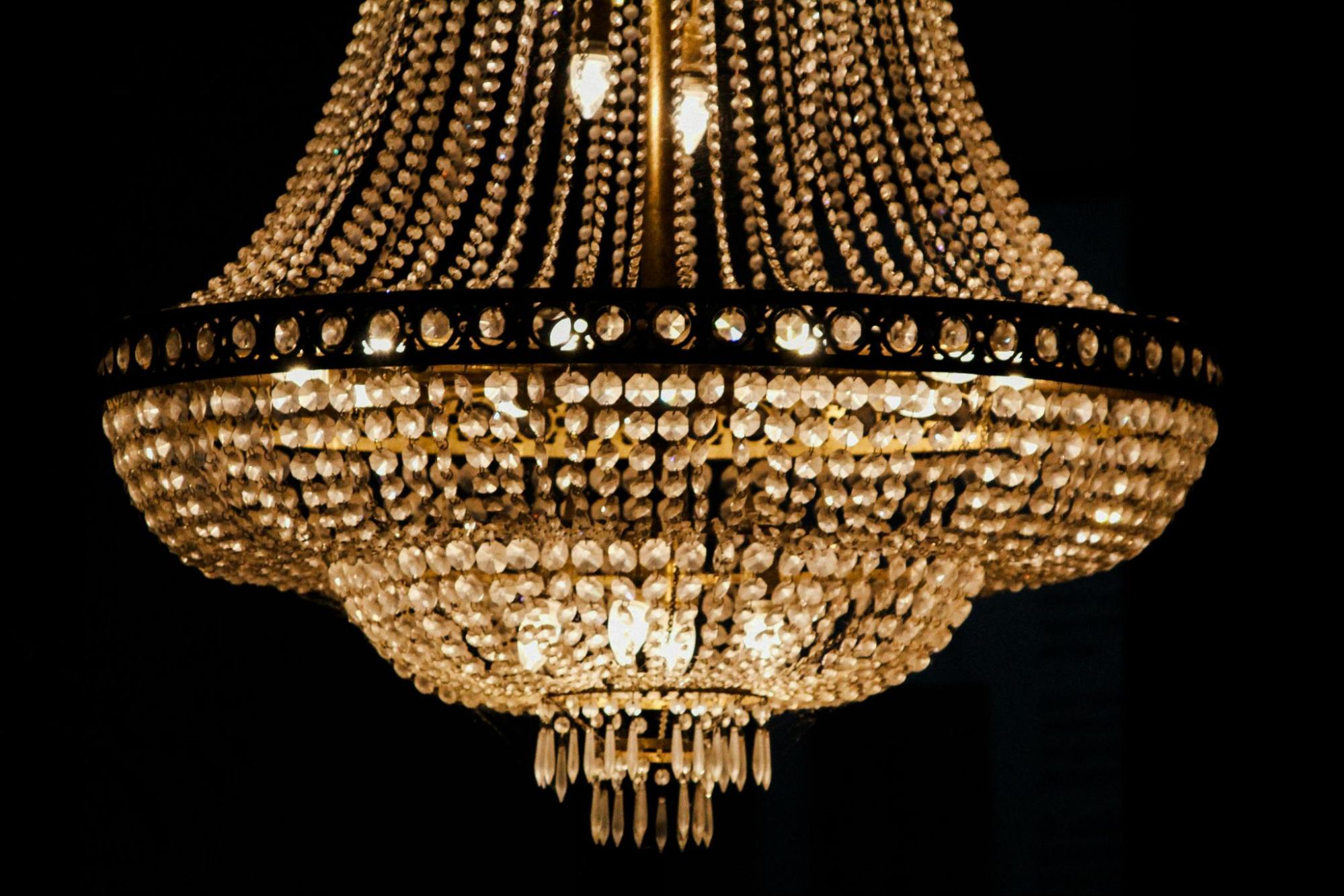
Perhaps the most enduring lesson of Versailles is the irreplaceable value of craftsmanship. Every cornice, every parquet de Versailles floor, every hand-painted mural was executed with an artistry that mass production cannot replicate. For the modern homeowner, this means investing in bespoke elements that carry the same spirit of individuality and mastery.
A custom-designed staircase with a wrought-iron balustrade, its scrollwork inspired by the palace’s jardins, becomes a sculptural centerpiece. A commissioned mural in a dining room, rendered in muted fresco tones, pays homage to the grandeur of Versailles’ ceilings while feeling fresh and personal. Even in smaller details—a hand-embroidered throw pillow, a one-of-a-kind ceramic vase—the presence of artisanal excellence ensures that a home feels curated rather than decorated.
The Modern Château
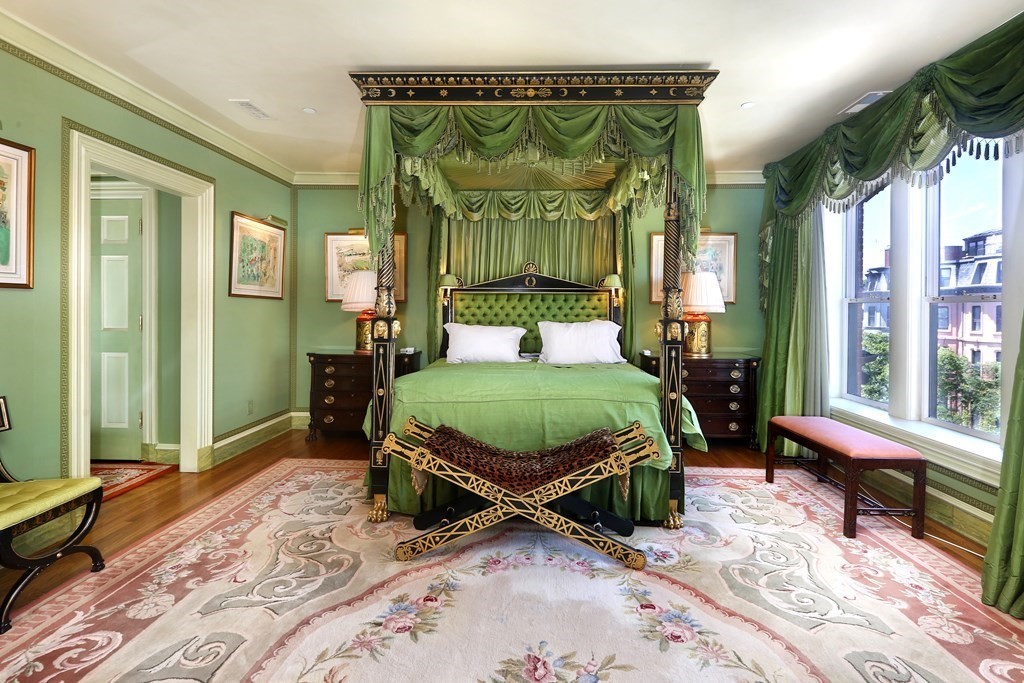
Ultimately, the most successful Versailles-inspired homes are those that borrow not the literal trappings of the palace but its underlying philosophy: that beauty, when executed with precision and passion, transcends time. The modern château does not seek to mimic history but to converse with it, allowing the past to inform the present in ways that feel both inevitable and innovative.
For the homeowner who appreciates the legacy of Versailles but lives firmly in the 21st century, the key is in the edit. A single antique bergère in an otherwise minimalist study. A geometric garden parterre viewed through floor-to-ceiling steel-framed windows. A monochromatic color scheme punctuated by the restrained gleam of a vintage gilded mirror. These are the touches that speak to a cultivated eye, proving that true luxury is not in excess, but in the artful balance of heritage and modernity.
In the end, Versailles was never just a palace. It was an ideal. And for those who understand its language, its lessons remain as relevant today as they were under the reign of the Sun King.