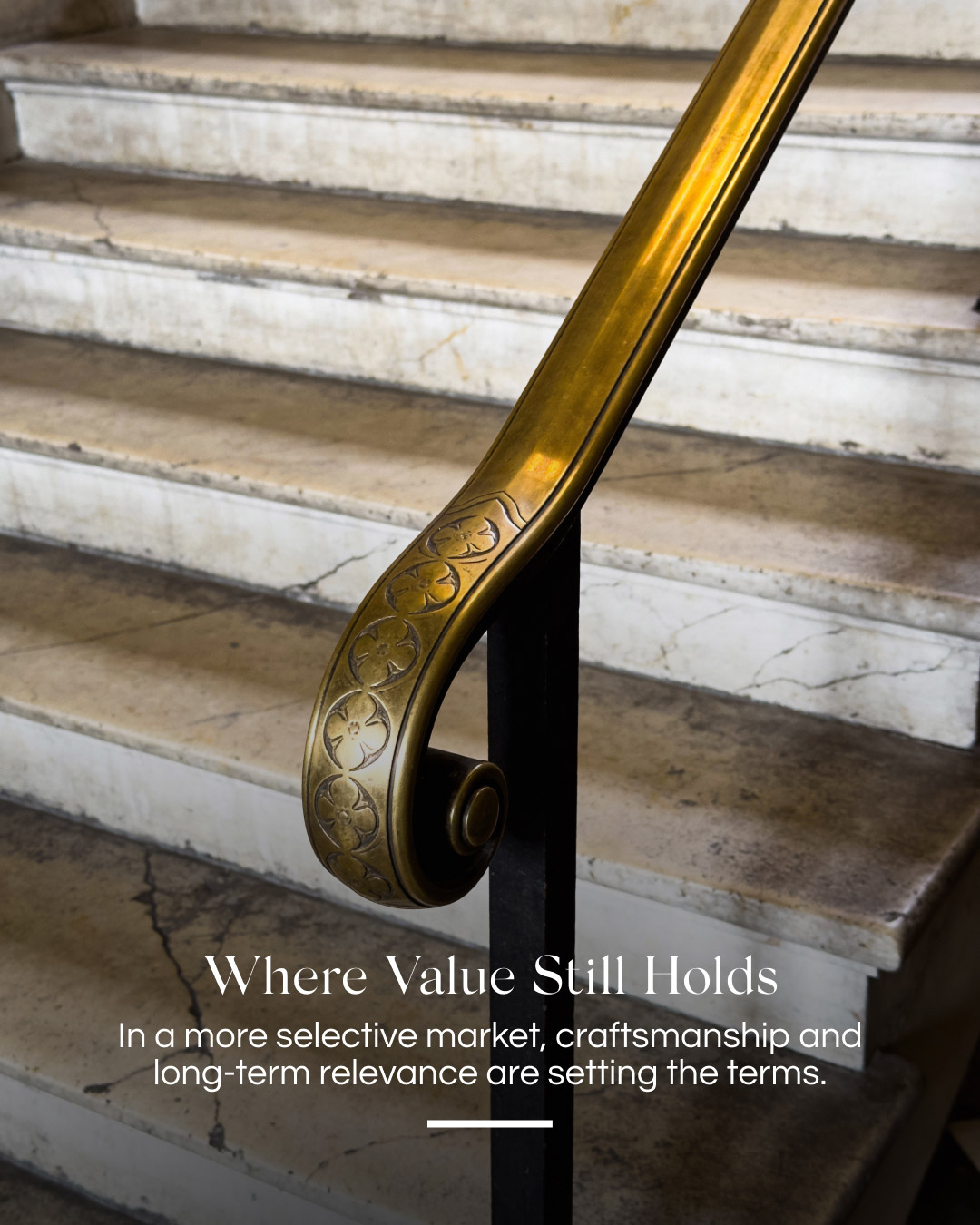
Back Bay has long defined luxury in Boston. From the architecture surrounding Copley Square to the fashion houses of Newbury Street and the polished corridors of Copley Place, it has represented a particular standard of refinement. For decades, that standard was tangible. It lived in marble floors, in iconic storefronts, in names that signaled arrival.
Now, one of those defining spaces is evolving.
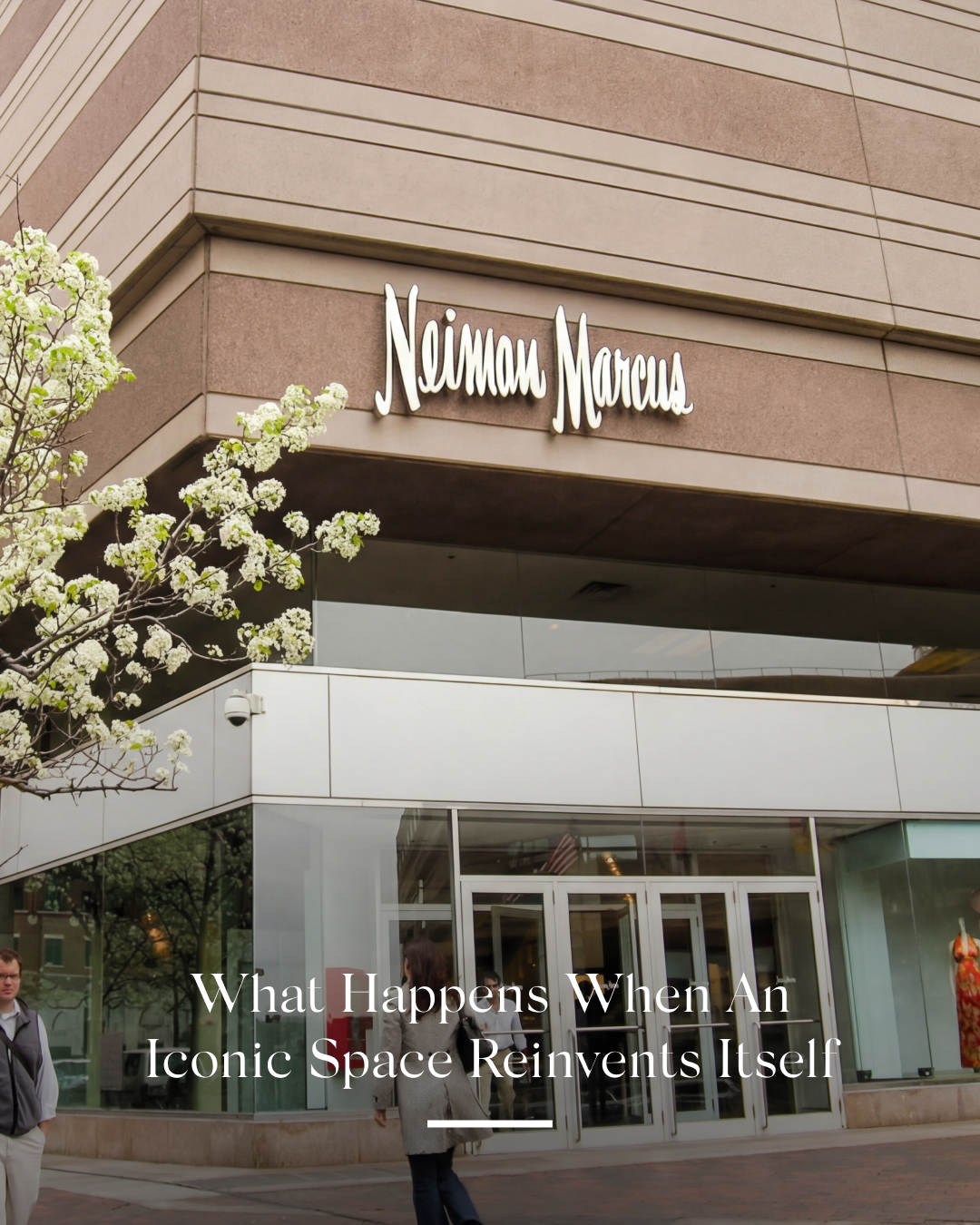
The former Neiman Marcus at Copley Place, a presence in the neighborhood for more than forty years, is being reimagined. In its place, a different kind of destination is taking shape. Casa Tua Cucina, the Italian marketplace concept known for its open kitchens and immersive dining experience, is planning a 17,000-square-foot space designed around gathering and shared ritual. Estiatorio Milos, the internationally acclaimed Greek seafood restaurant recognized for its refined simplicity and pristine ingredients, is also slated to join the redevelopment. Expanded luxury boutiques and new flagship concepts will round out the transformation.
What was once centered on traditional department store retail is becoming something more layered. A place not only to shop, but to spend time. To meet. To return to.
I remember when Copley Place felt like the pinnacle of formal retail in Boston. It was quiet, polished, and transactional. You went with purpose. What is emerging now feels different. It feels social. Intentional. Designed to be experienced rather than simply navigated.
This shift reflects something larger.
For generations, luxury was defined by ownership. It lived in the object acquired and the exclusivity attached to it. Department stores like Neiman Marcus embodied that era. They offered prestige under one roof.
Today, that definition is changing. Millennials and Gen Z consumers consistently prioritize experiences over possessions. Dining, travel, wellness, and cultural immersion have become central markers of value. Luxury is no longer about accumulation. It is about participation. It is about how a place feels in the evening, how it integrates into daily life, and how it creates connection.
That mindset is reshaping real estate as much as retail.
Buyers are increasingly drawn to neighborhoods that offer energy beyond business hours. Walkability, design integrity, and access to meaningful experiences now carry as much weight as finishes and square footage. They are investing in context.
The reinvention of Copley Place speaks directly to this evolution. A 17,000-square-foot Italian marketplace is not simply a restaurant. It is an ecosystem of food, wine, and atmosphere. A globally respected dining institution like Estiatorio Milos does more than fill space. It establishes cultural presence. When concepts like these replace a department store, the message is clear. Luxury today means creating an ecosystem.
Replacing a department store with destination dining is more than a real estate decision. It is a vote of confidence in the neighborhood’s future. Restaurants create ritual. They anchor community. They transform a building from a place you visit into a place you belong.
For younger buyers, especially, that distinction matters. Luxury is measured less in logos and more in lifestyle. It is found in access to culture, in proximity to experience, in neighborhoods that feel alive.
Back Bay has long set the standard in Boston. What we are seeing now is not a departure from that legacy, but its next chapter.