
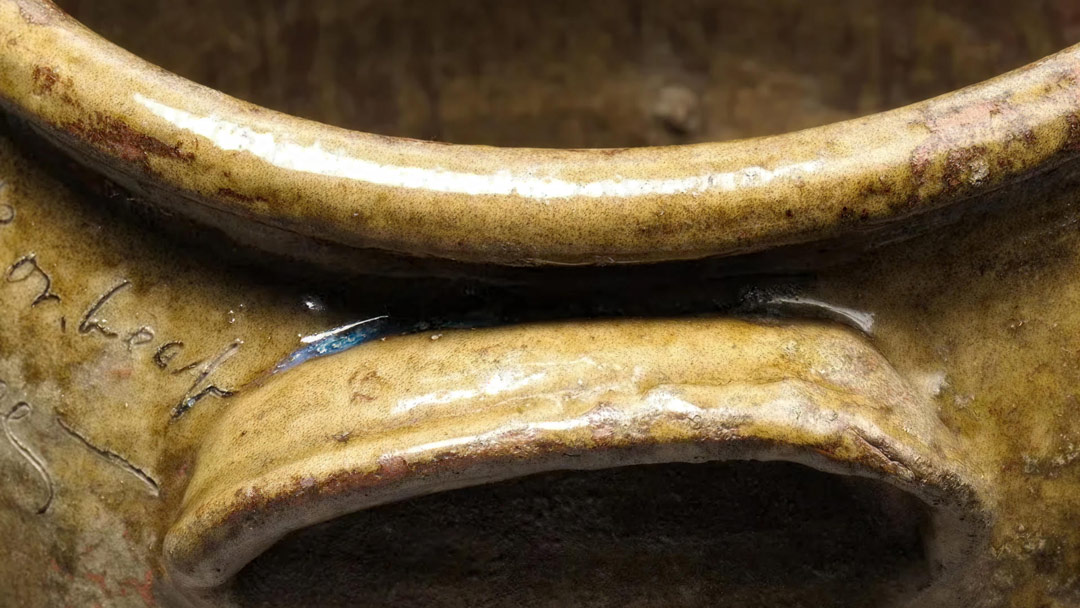
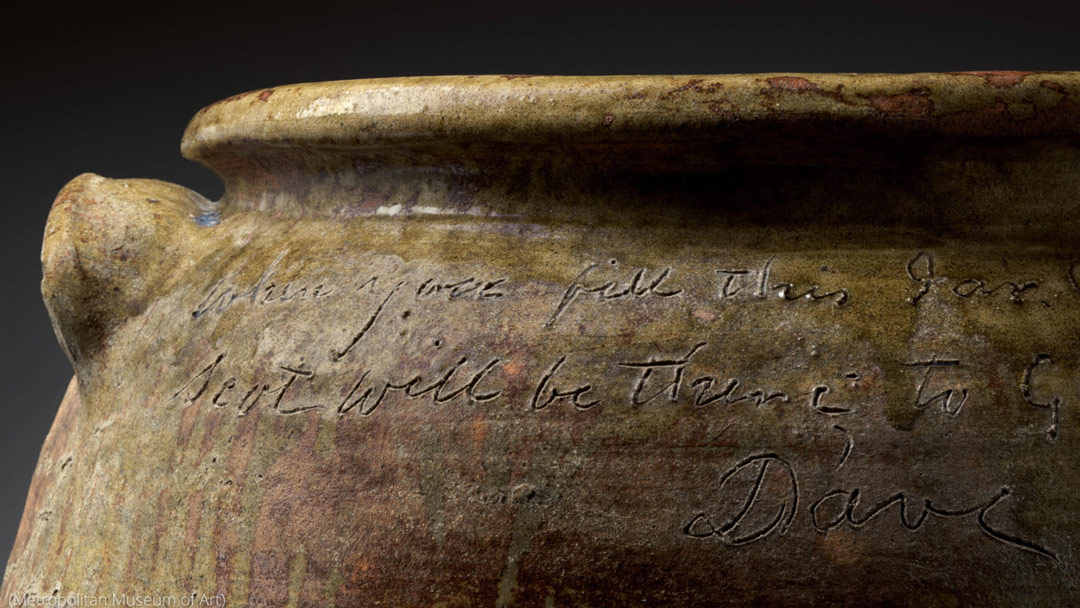
A profound act of stewardship is unfolding at the Museum of Fine Arts. Recently, the Museum of Fine Arts, Boston announced a historic resolution regarding two works by David Drake, an enslaved potter and poet known as “Dave the Potter,” returning ownership of his monumental jars to his descendants.
This is not merely a transaction; it is a correction. It is an acknowledgment that the true value of an object is inextricably linked to the integrity of its story and the legitimacy of its ownership. By addressing this historical wrong, the MFA does more than repatriate art; it honors a legacy and affirms that provenance is the bedrock of true value.
This principle of thoughtful stewardship resonates far beyond the museum walls. In my world of historic Boston real estate, we are not merely transacting properties; we are curating legacies. A Beacon Hill townhouse is more than brick and mortar; it is a repository of generations of lives lived. A Back Bay brownstone carries the narrative of the city’s growth in its very bones.
The role of a curator, whether in an institution or in real estate, is to be a guardian of these narratives. It is to understand the past so deeply that we can ensure its future is placed in respectful hands. It’s about matching a person to a place’s unique energy, yes, but it is also about recognizing the responsibility that comes with being the next chapter in a property’s story.
The MFA’s decision is a powerful reminder that the most significant assets in our lives, whether a work of art or a family home, demand our conscientious care. Their value is not just in their form, but in their history, their soul, and the dignity with which they are passed forward.
As the MFA recontextualizes Drake’s work this summer, I encourage you to visit. It is a masterclass in how we might all approach the legacies entrusted to us—with respect, resolution, and a deep sense of stewardship.